
The Shutdown Phase Nobody Plans For
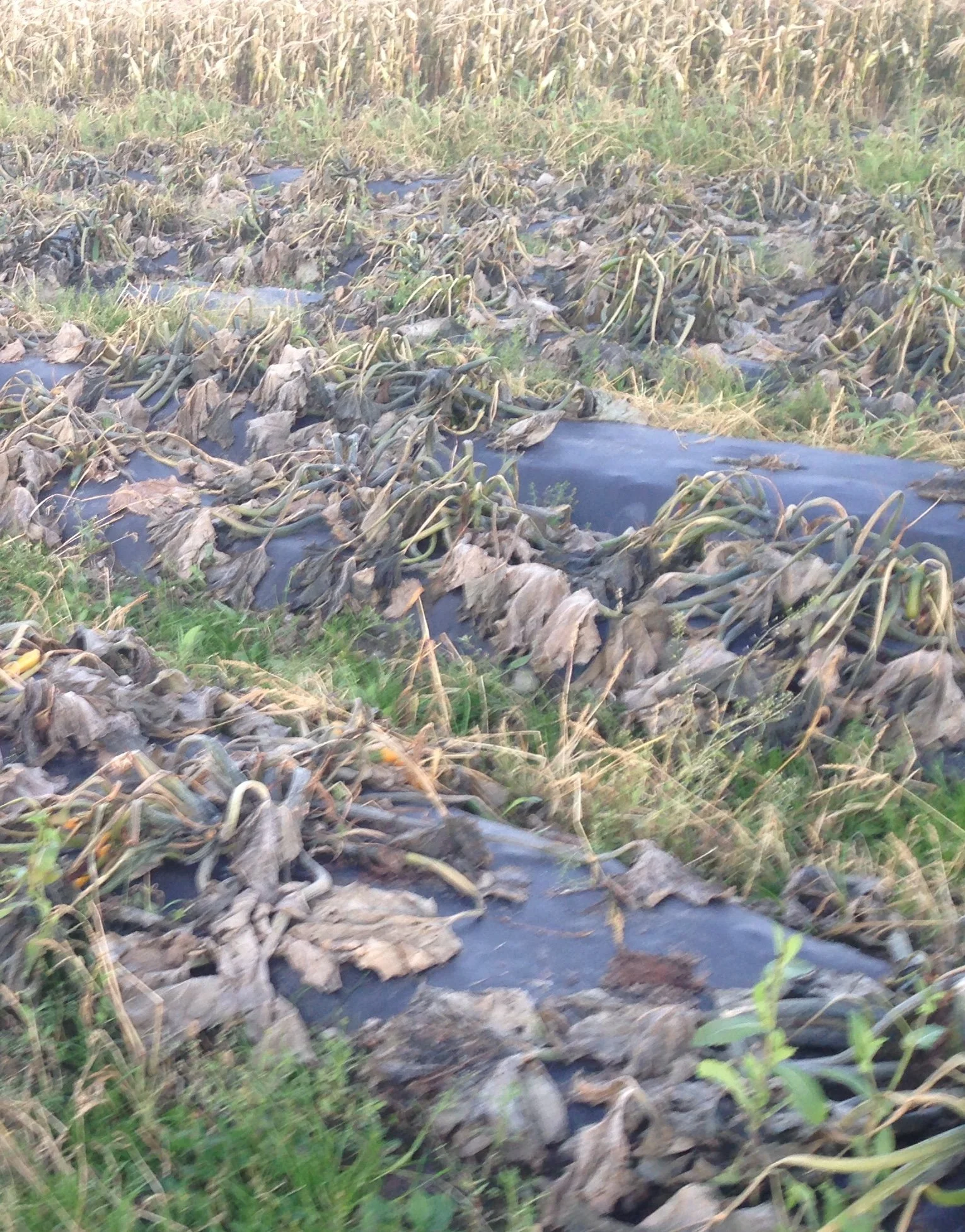
After harvest, plastic mulch must still be removed from the field — often one of the most labor-intensive phases of the season.
Most growers think the season ends at harvest.
In colder regions, frost decides.
In milder regions — like parts of New Jersey — harvest can continue as long as temperatures hold.
But plastic removal changes the equation.
The season doesn’t end when the crop ends.
It ends when cleanup begins.
When Revenue Pauses (In Some Regions)
In northern climates, harvest often stops because of freeze.
In milder regions, tomatoes, peppers, and other crops may still be producing.
Yet once removal begins, the crew shifts.
Harvest slows.
Sometimes it stops.
Not because the crop is finished —
but because the operation must transition to cleanup.
That decision is rarely included in per-roll pricing.
The Labor Window Is Finite
End-of-season labor:
Is fatigued
Has departure deadlines
Is managing multiple closing tasks
Removal compresses everything into the final weeks.
Management shifts from production to extraction.
It’s not neutral.
It’s heavy.
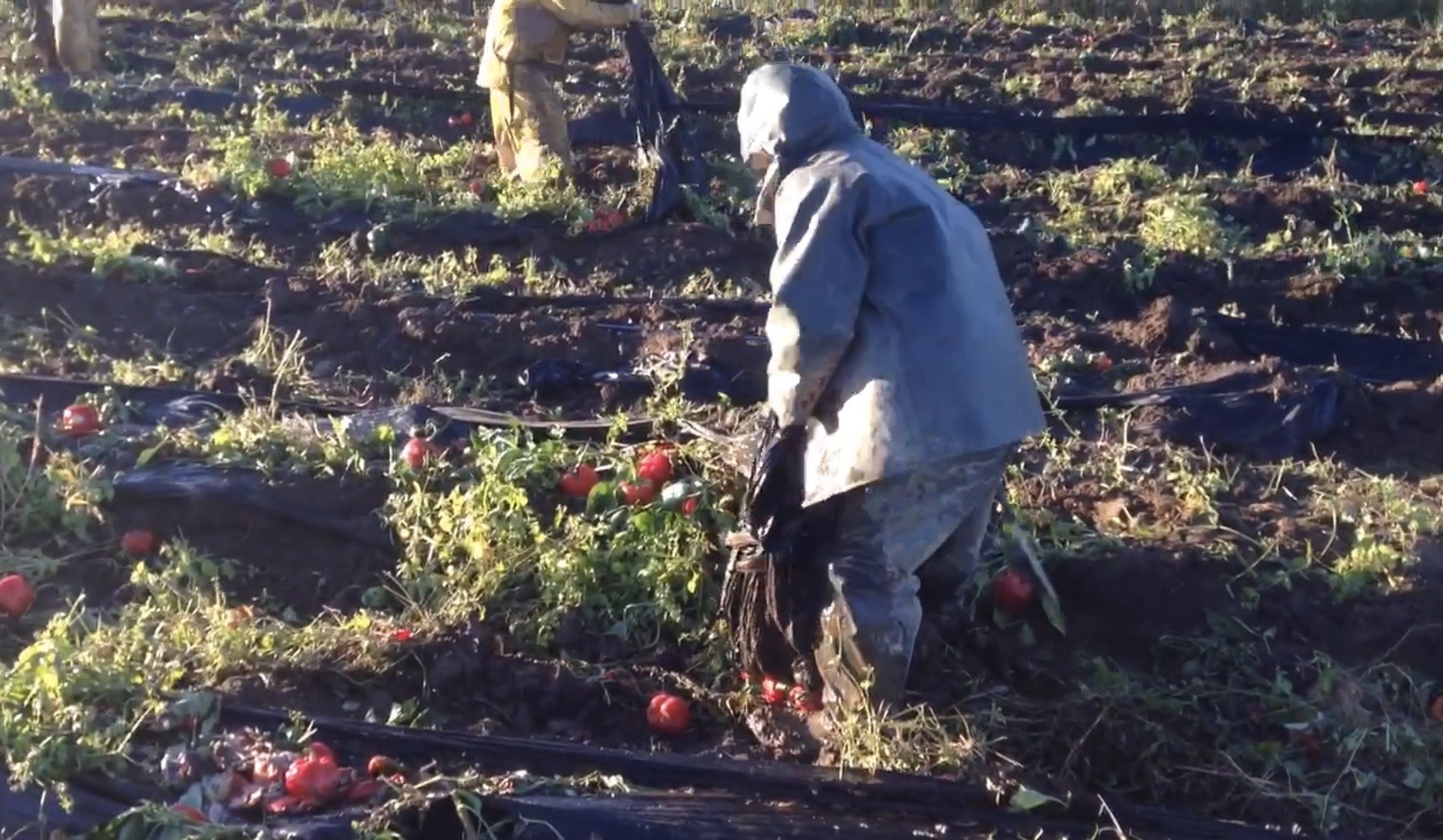
Plastic mulch removal often takes place late in the season, when field conditions are far from ideal. Soils are wetter, temperatures are lower, and daylight hours are shorter. These conditions make the work slower and more physically demanding. Wet soil sticks to the plastic film, increasing the weight of the material and making it harder to pull from the beds. Mud also complicates tractor movement and trailer loading. As a result, crews often need more time, more labor, and additional equipment passes to complete the removal. What might seem like a simple cleanup step can quickly become one of the most costly and labor-intensive phases of the entire production cycle.
Weather Makes It Harder
Removal typically happens when:
Soil is wetter
Days are shorter
Wind increases
Frost risk rises
Wet plastic tears.
Fragments remain.
Cleanup slows.
The job becomes more difficult precisely when conditions deteriorate.
The Silent Loss No One Tracks
Plastic removal does not just extract film.
It removes soil.
Each season, a thin layer of topsoil adheres to the plastic.
When the film is lifted, shaken, hauled, and discarded, some of the most productive soil leaves with it.
Not dramatically.
Incrementally.
Year after year.
Topsoil contains:
Organic matter
Microbial life
Nutrient-rich surface structure
The best part of the field.
Removal extracts more than plastic.
It extracts time, labor — and a little soil.
A Different Seasonal Mentality
Traditional plastic assumes a shutdown phase is normal.
A compostable system removes that phase.
The field is incorporated.
The surface is stabilized sooner.
The season closes cleanly.
For some growers, that’s convenience.
For long-term operators, it’s structural.
When the field is released earlier, soil stabilization can begin earlier.
Cover crops (where used) establish better.
Surface protection improves.
Soil structure compounds over time.
This isn’t about one season.
It’s about how a system behaves over 5–10 years.
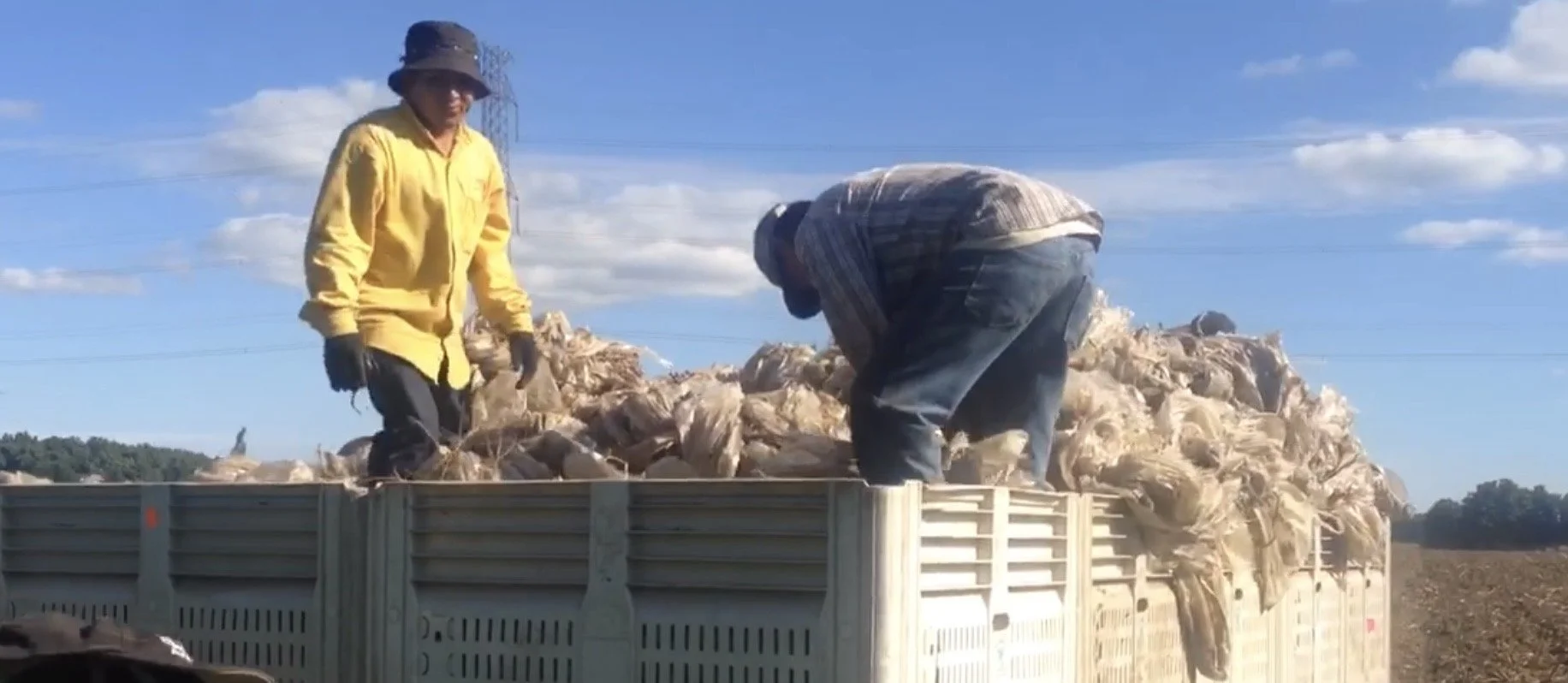
Trailer being loaded with used plastic mulch after harvest. Once full, the wagon is pulled by a tractor and hauled away from the field for disposal. Because the plastic is mixed with soil and crop residues, it is rarely recyclable and is typically sent to landfill. For many vegetable farms, this hauling phase marks the start of a labor-intensive shutdown period that can last days or even weeks.
The Real Question
The question is not:
“How much does the mulch roll cost?”
The real question is:
What does this system do to my operation over the entire season?
Does it create a shutdown phase at the end of the year?
Or does it eliminate one?
On many vegetable farms, removing polyethylene mulch has quietly become one of the most labor-intensive phases of the season.
Pulling film.
Loading trailers.
Transporting contaminated plastic.
Paying landfill disposal.
All for a material that does not biodegrade.
Polyethylene simply breaks up into microplastics that remain in the soil.
Want to Understand the Full System Cost?
Many growers calculate the installation cost per acre of plastic mulch.
Film, drip tape, and tractor time.
But the real economics of plastic mulch only become clear when you include removal, transport and disposal at the end of the season.
To understand the full system, start here:
▶ Plastic Mulch Cost Per Acre
A breakdown of film, drip tape, equipment, labor and the hidden costs most farms underestimate.
Why This Matters
Because in agriculture, the real cost is rarely the roll.
It is the system you install — and the system you must remove.
And for plastic mulch, the shutdown phase is often where the economics change.