
Why Strawberries Are the Most Demanding Crop for Mulch Durability
Strawberries are one of the most technically demanding crops when it comes to mulch performance.
Unlike short-season vegetables, strawberry systems often require mulch to remain stable for extended periods — sometimes through winter exposure, freeze–thaw cycles, and months of UV stress before full canopy coverage develops.
This is where durability truly matters.
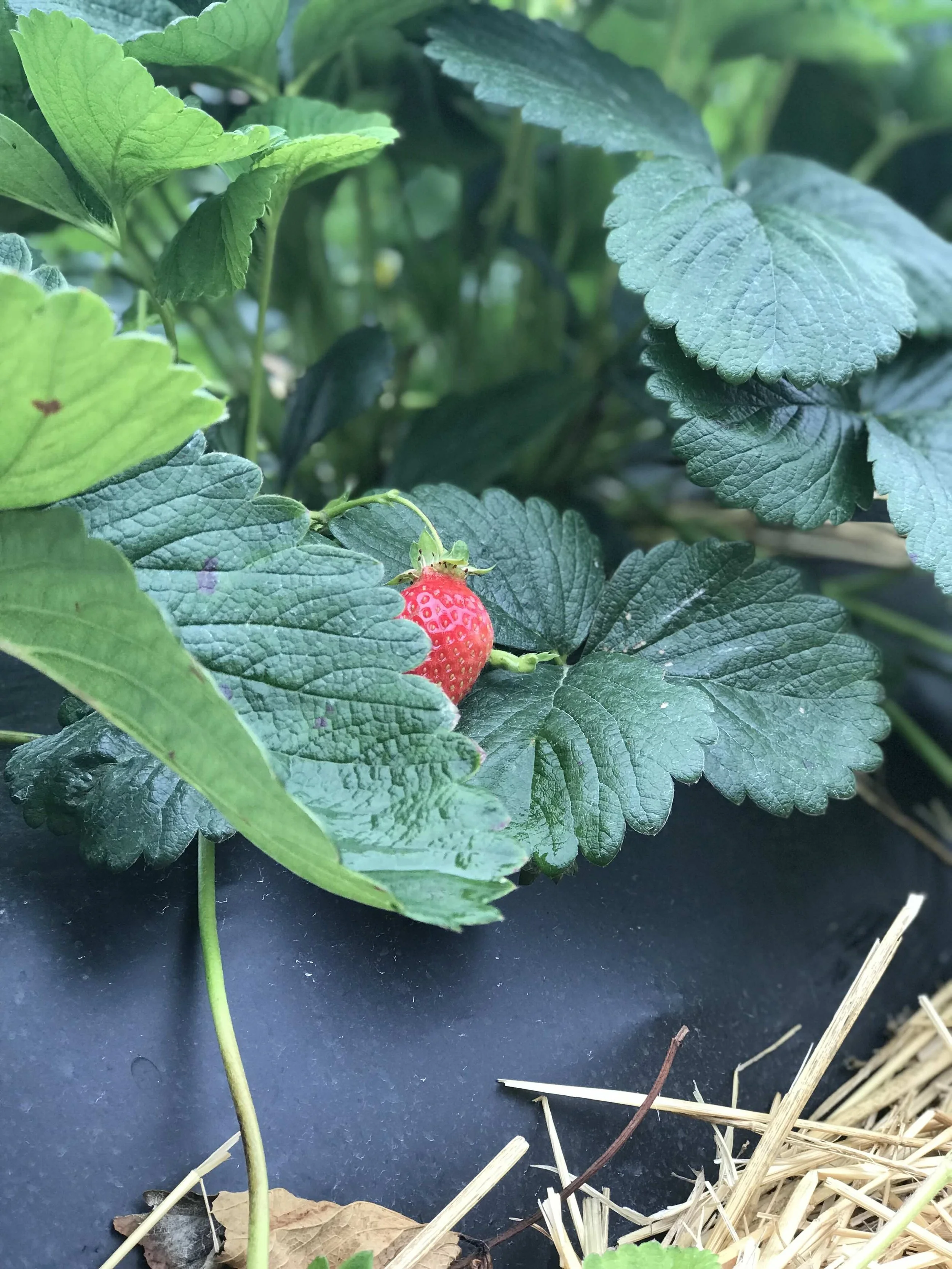
1. Extended Exposure Before Canopy Protection
In many strawberry systems, mulch is installed weeks — sometimes months — before plants provide meaningful canopy coverage.
During this period, the film is fully exposed to:
• Direct UV radiation
• Rain and moisture cycles
• Temperature fluctuations
• Wind stress
Without proper stabilization, early surface degradation begins long before harvest.
Strawberries do not quickly shade the mulch like melons or squash.
The film must withstand exposure on its own.
2. Winter-Over Systems Increase the Challenge
In short-day strawberry systems, mulch may remain in the field through winter.
This introduces additional stress:
• Freeze–thaw expansion
• Snow load
• Prolonged moisture
• Spring UV rebound
Durability in these systems must be engineered for long-term stability — not short disintegration.
Row covers can reduce UV stress during winter dormancy, but the mulch film itself must retain mechanical integrity until spring growth resumes.
3. Edge Exposure Throughout the Season
Strawberry beds often leave mulch edges exposed throughout the season.
Edges experience:
• Continuous UV radiation
• Water accumulation
• Mechanical stress during harvest
Edge failure is a common weak point in poorly stabilized films.
Proper formulation and surface protection are essential to maintain structural integrity.
4. Matching Durability to the Crop Cycle
Not all strawberry systems are identical.
• Day-neutral strawberries (spring to fall systems)
• Short-day winter-over systems
• Double-cropping field systems
Each requires a different durability profile.
Over-engineering increases cost unnecessarily.
Under-engineering risks premature degradation.
The goal is alignment — not maximum thickness.
5. Engineered Stability Before Biodegradation
A properly designed compostable mulch for strawberries must:
• Resist early UV degradation
• Maintain tensile strength through harvest
• Withstand seasonal moisture exposure
• Begin biodegradation only after soil incorporation
Stability during use.
Biodegradation after use.
That balance defines performance in strawberry systems.
Conclusion
Strawberries expose weaknesses faster than most crops.
They require mulch systems designed for extended exposure, seasonal stress, and predictable durability.
When mulch is matched to the crop cycle — not just the calendar — performance becomes controlled rather than uncertain.