
INSIGHTS BACK OFFICE
VIA SQUARESPACE BLOG MANAGEMENT CENTER
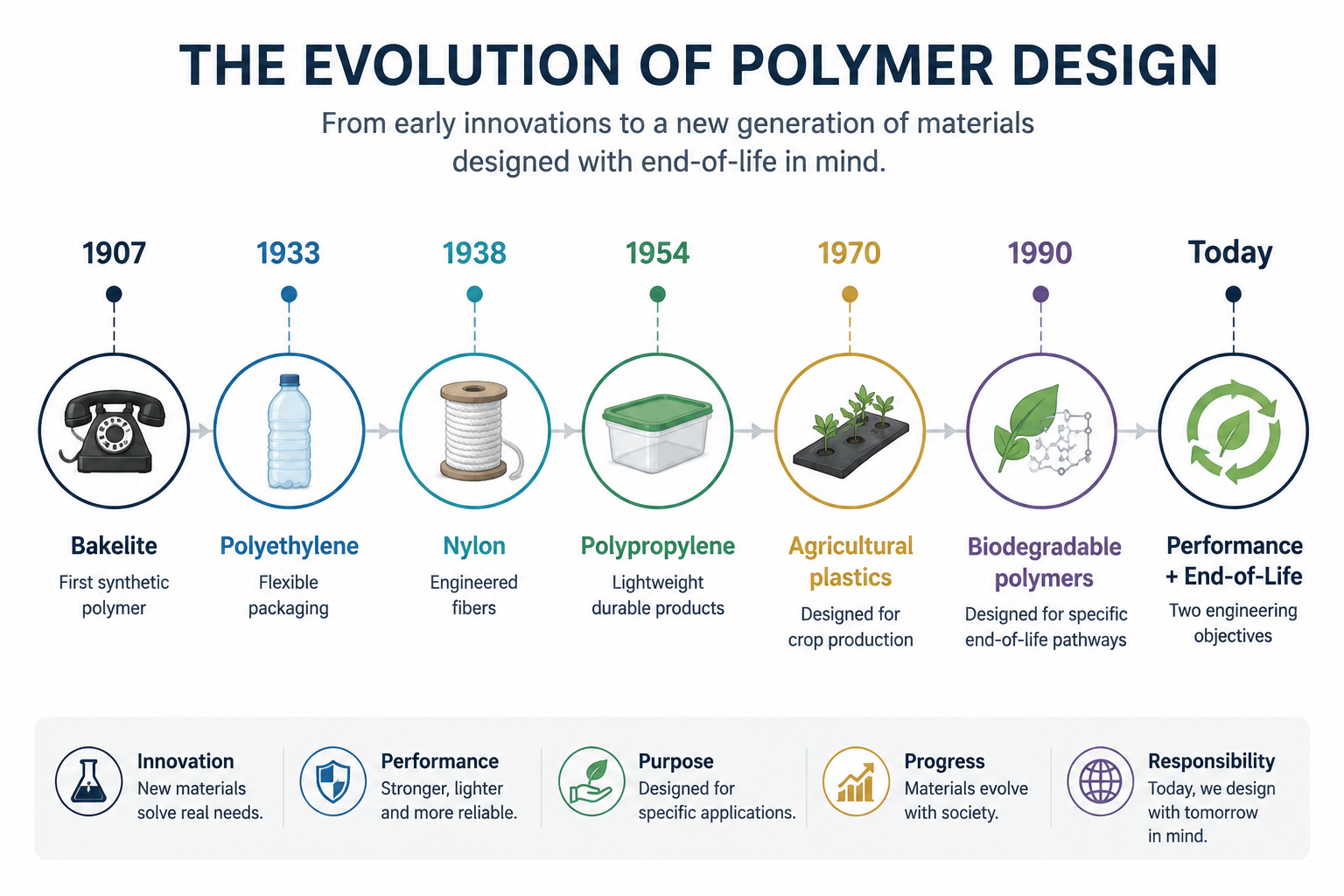
Understanding Plastics: The Practical Guide to Plastics, Bioplastics, Microplastics and End-of-Life
A practical guide to understanding plastics, bioplastics, microplastics and end-of-life pathways in agriculture. This educational resource explains key concepts, terminology and certification standards to support informed, science-based decisions.
How FilmOrganic Compostable Mulch Film Technology Works
The durability of compostable mulch films depends far more on material engineering than on thickness alone. This article explains how formulation design influences field performance, moisture resistance, and reliability during the crop cycle.
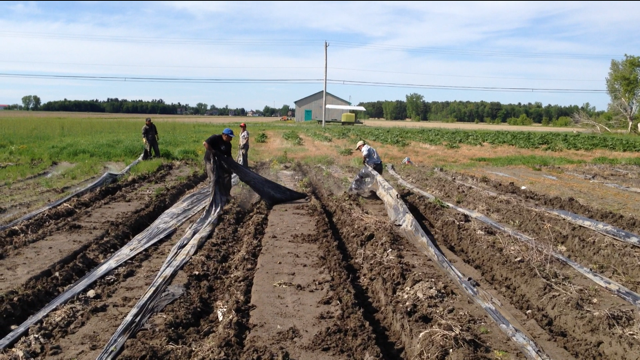
The Shutdown Phase Nobody Plans For
Plastic mulch installation is planned carefully.
Removal almost never is.
The shutdown phase — when plastic must be pulled, handled, and disposed of — often becomes one of the most underestimated operations on the farm.
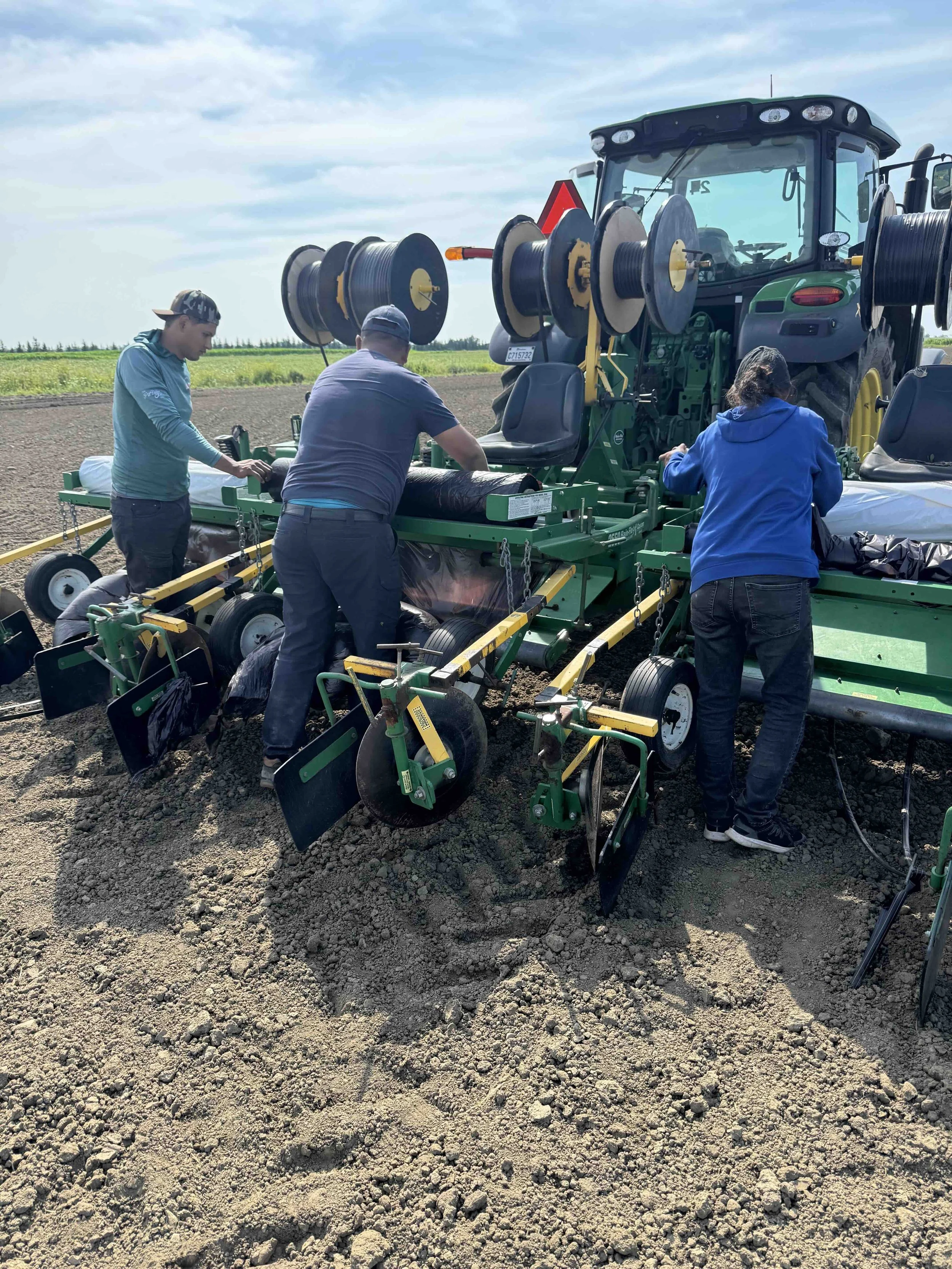
Plastic Mulch Cost Per Acre
Understanding plastic mulch cost per acre requires more than the price of the roll. This article explains the typical installation costs of plastic mulch systems, including drip irrigation, labor, and equipment.
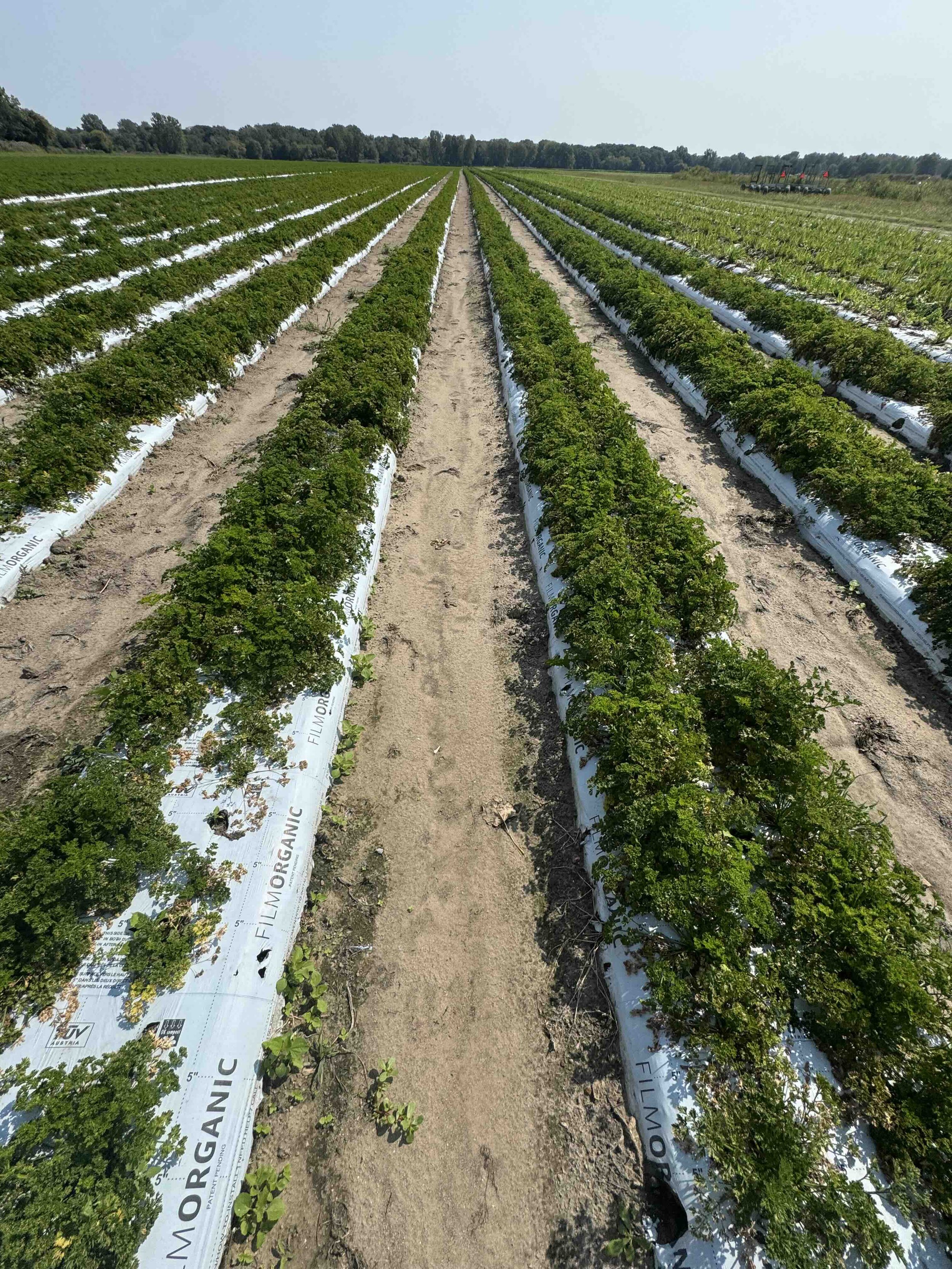
WHAT ACTUALLY CONTROLS DURABILITY
In compostable mulch, durability is engineered — not measured in mils. Structural stability, surface protection, and worst-case weather resilience determine real field performance.
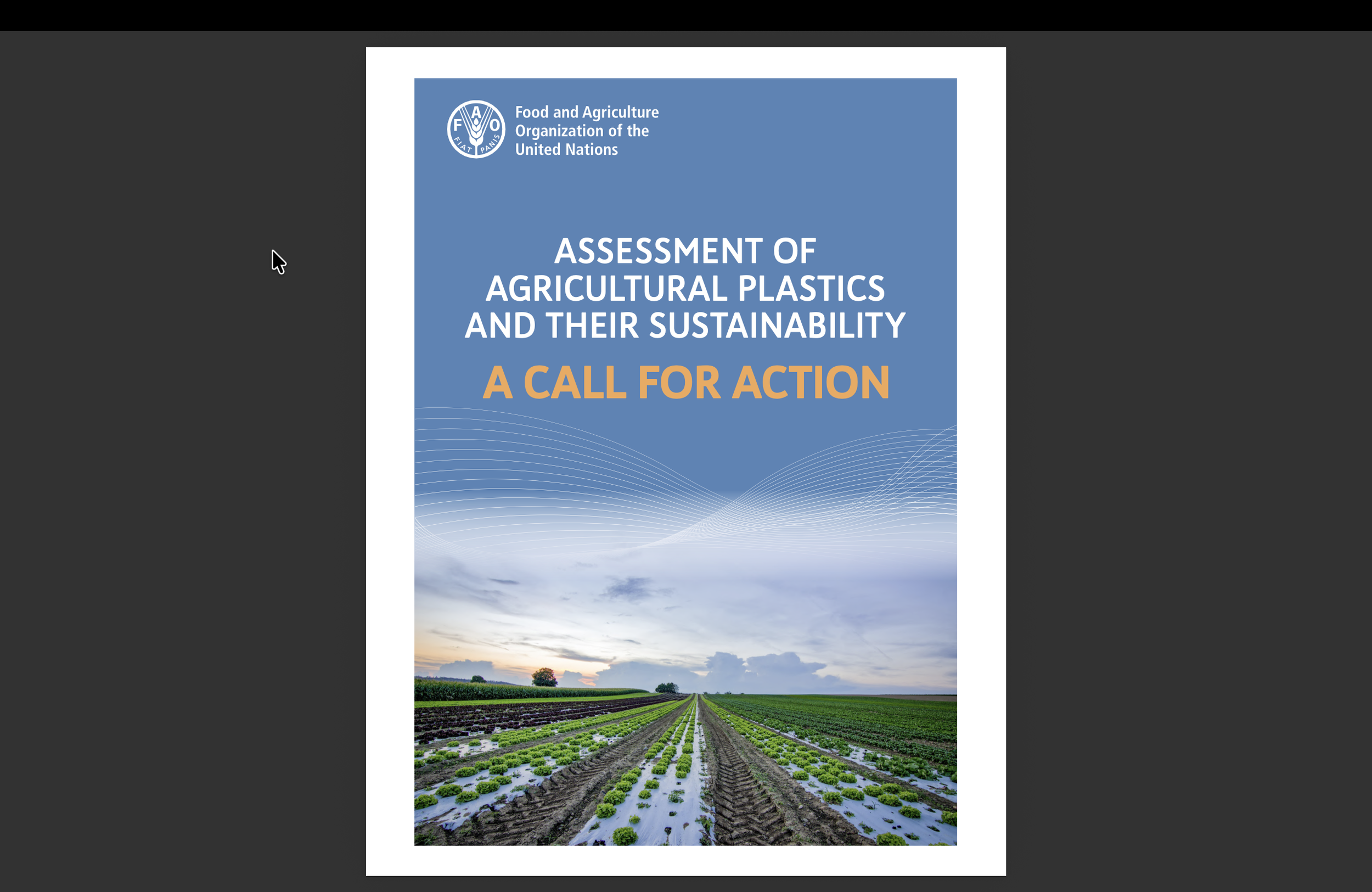
WHAT THE FAO SAYS ABOUT PLASTICS IN AGRICULTURAL SOIL
The FAO’s global assessment examines soil plastic accumulation, fragmentation into microplastics, and why Europe banned oxo-degradable plastics.
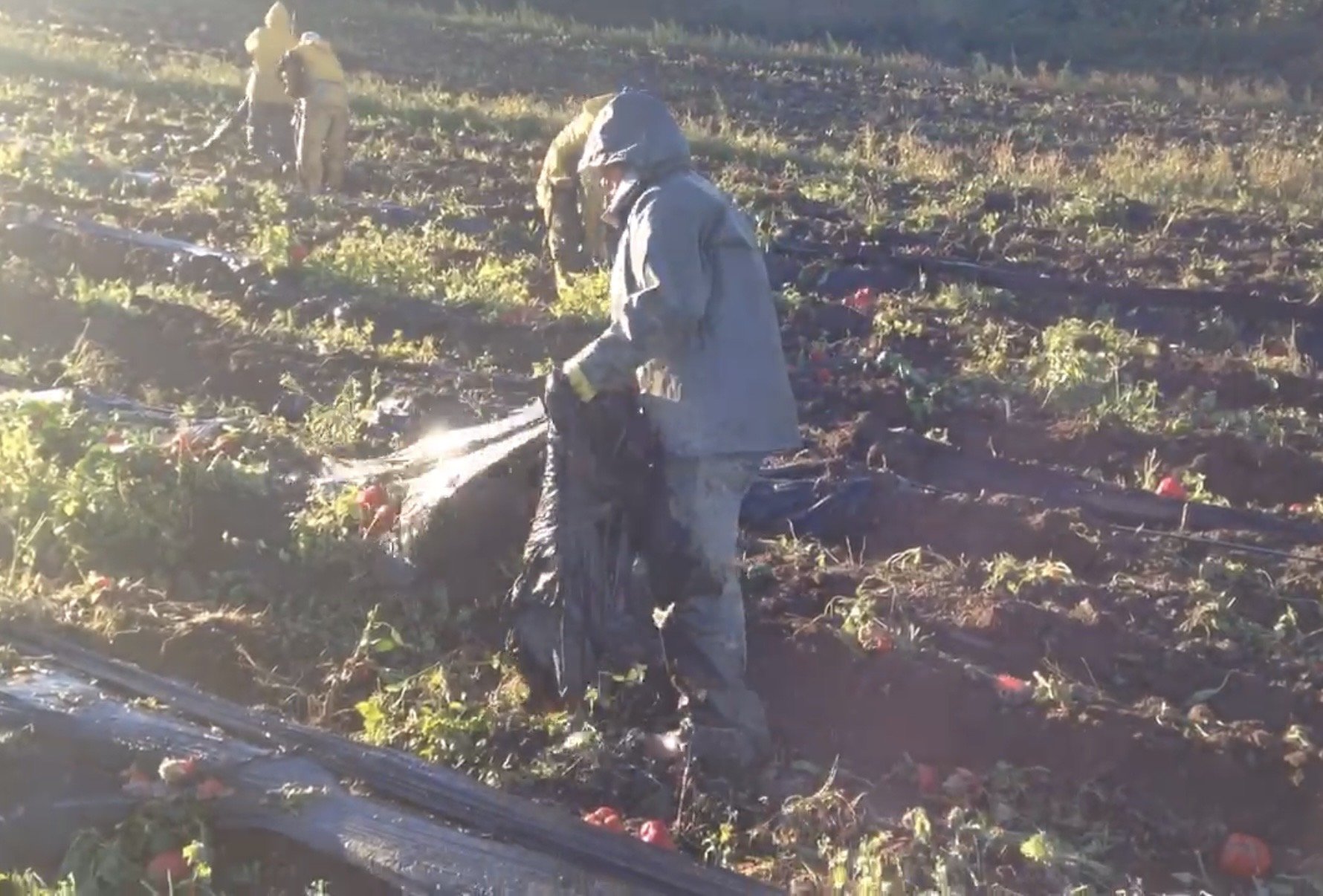
THE REAL COST OF PLASTIC MULCH REMOVAL
Removing polyethylene mulch after harvest requires labor, equipment, transportation, and disposal. The true cost of plastic mulch is not at installation — it is at removal.
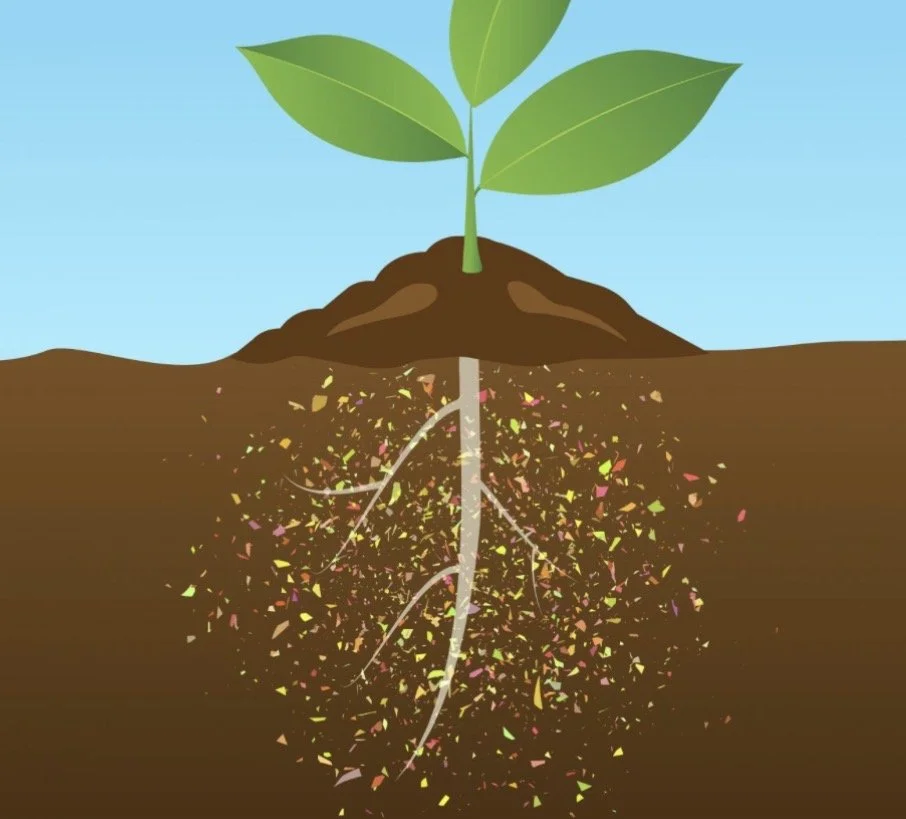
Can Microplastics Interact With Crop Roots?
Plastic in soil does not disappear — it fragments. This article explores how particle size changes biological relevance and why soil microplastics are now an emerging research field.
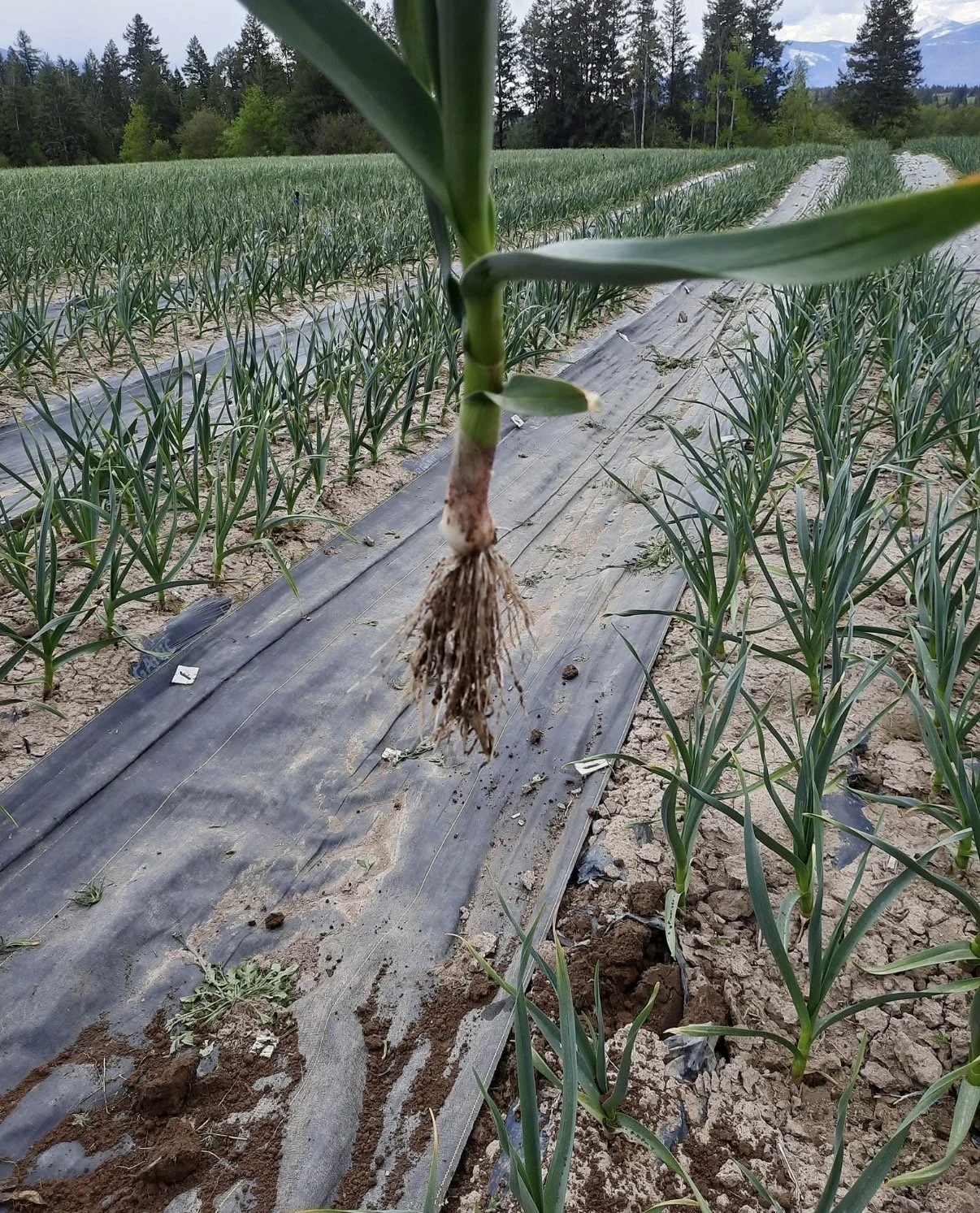
Garlic Under Controlled Dormancy
Garlic planted in fall faces long dormancy and aggressive spring weed pressure. FilmOrganic stabilizes winter soil conditions, preserves moisture, blocks spring weeds, and supports larger, more uniform bulb development — without plastic removal or microplastics.
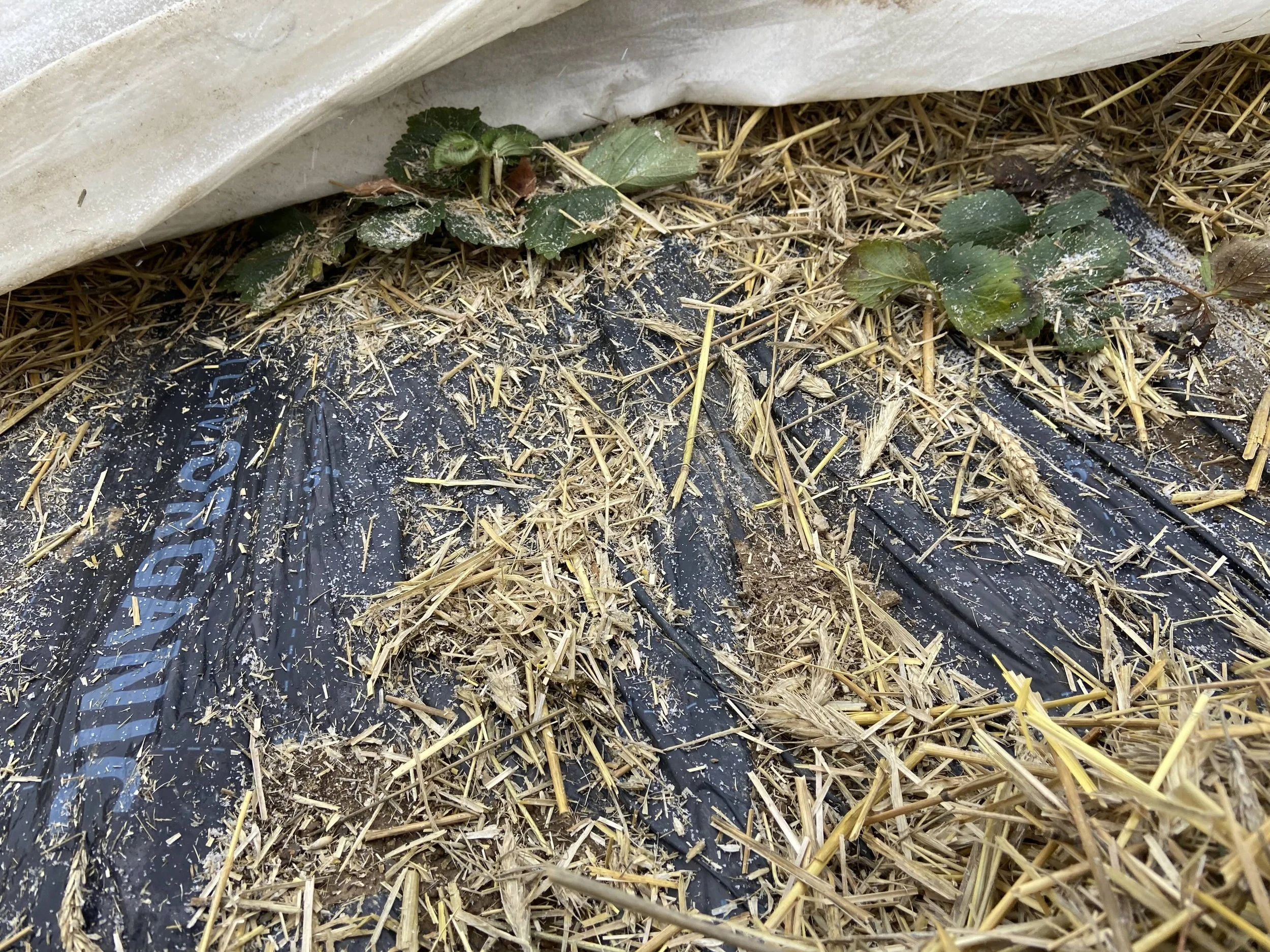
Strawberry Mulch Systems: What Actually Works in Long-Cycle Production
Many compostable mulches fail in Solanaceae crops like tomatoes or peppers because these systems expose weaknesses quickly. If a mulch cannot survive those demanding conditions, it will not survive strawberries — one of the longest and most demanding mulch cycles in agriculture.
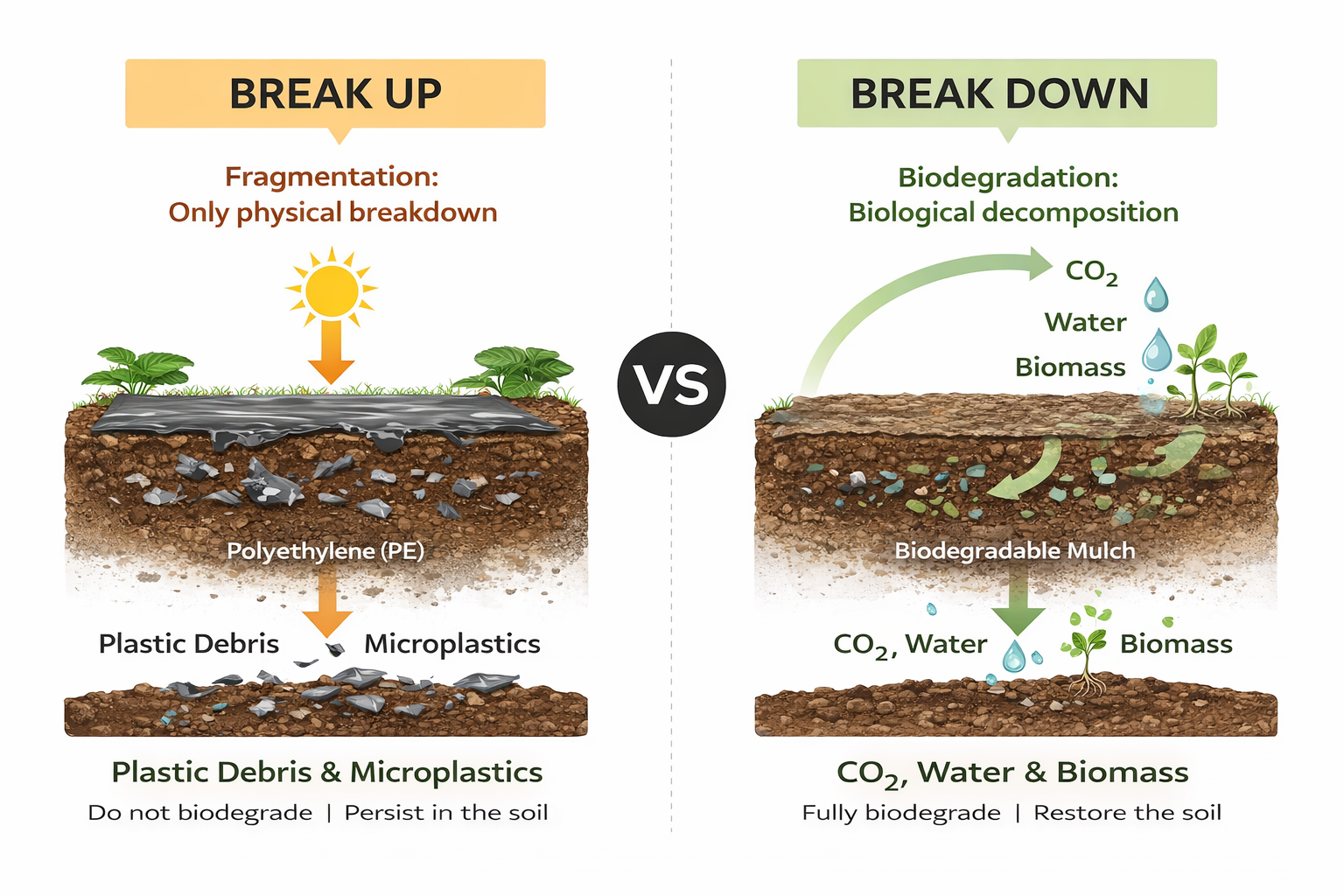
What Happens After Plastic “Breaks Apart” in Soil
When plastic mulch “breaks apart” in soil, it does not disappear. It fragments into smaller and smaller pieces that remain in the field as microplastics. True biodegradable materials work differently — they break down through biological activity into CO₂, water and biomass.
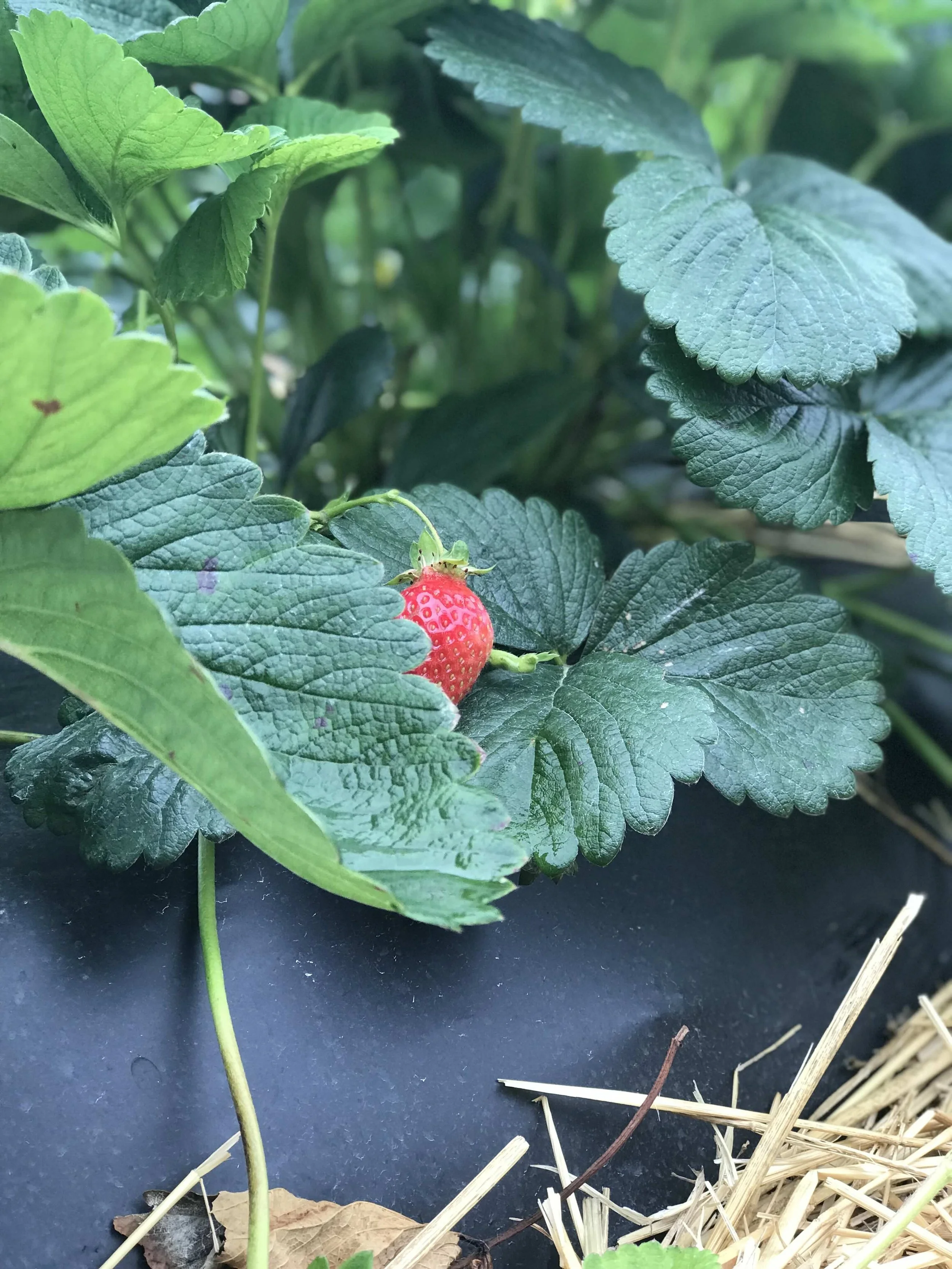
Why Strawberries Are the Most Demanding Crop for Mulch Durability
Strawberry systems demand extended mulch stability — often through months of UV exposure and even winter conditions. Not all compostable films are engineered for this level of field stress.
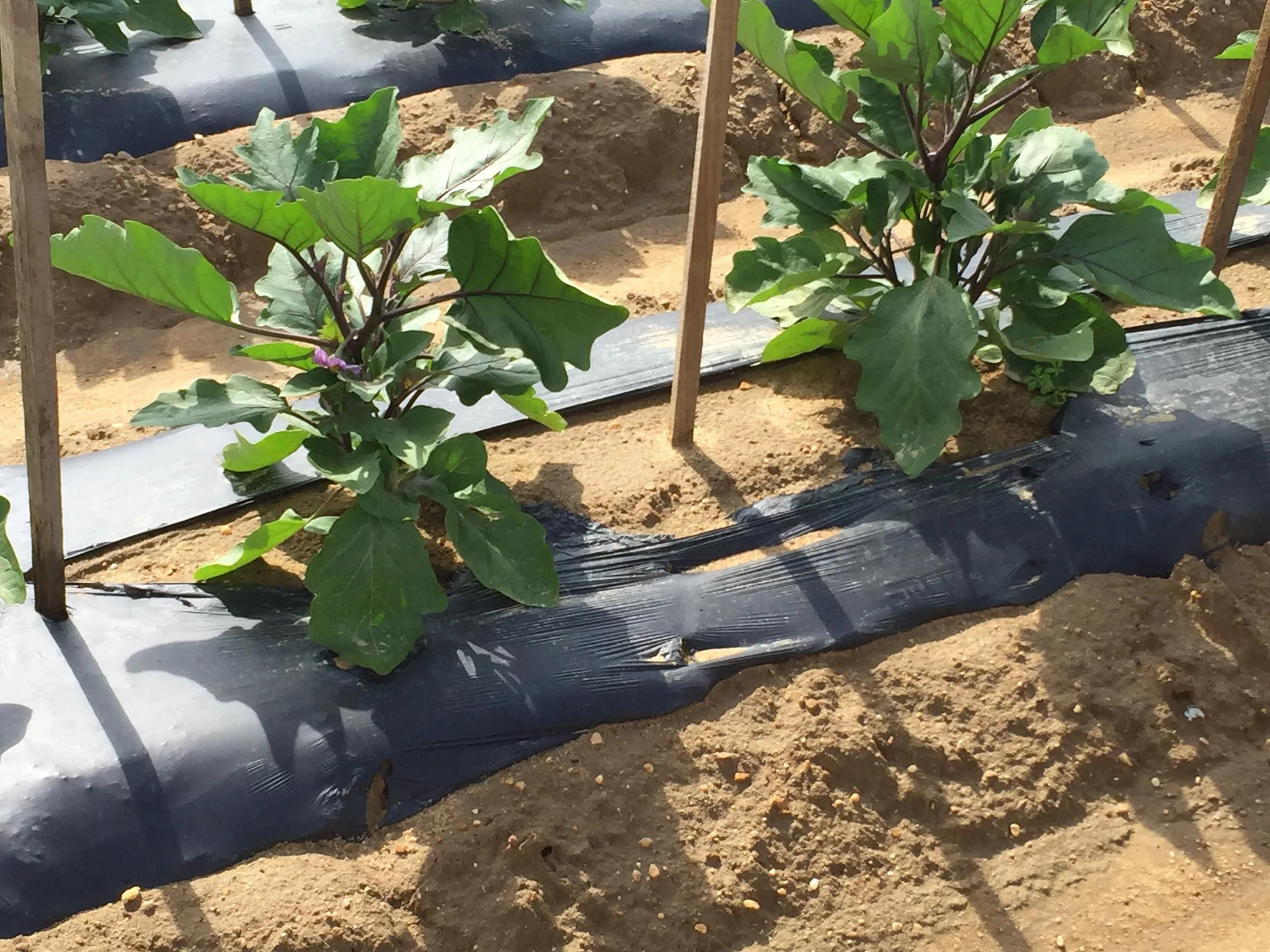
Why Some Compostable Mulch Fails After Heavy Rain
Heavy rainfall exposes weaknesses in poorly formulated compostable mulch. Field durability depends on polymer design, stabilization, and resistance to moisture stress — not thickness alone.
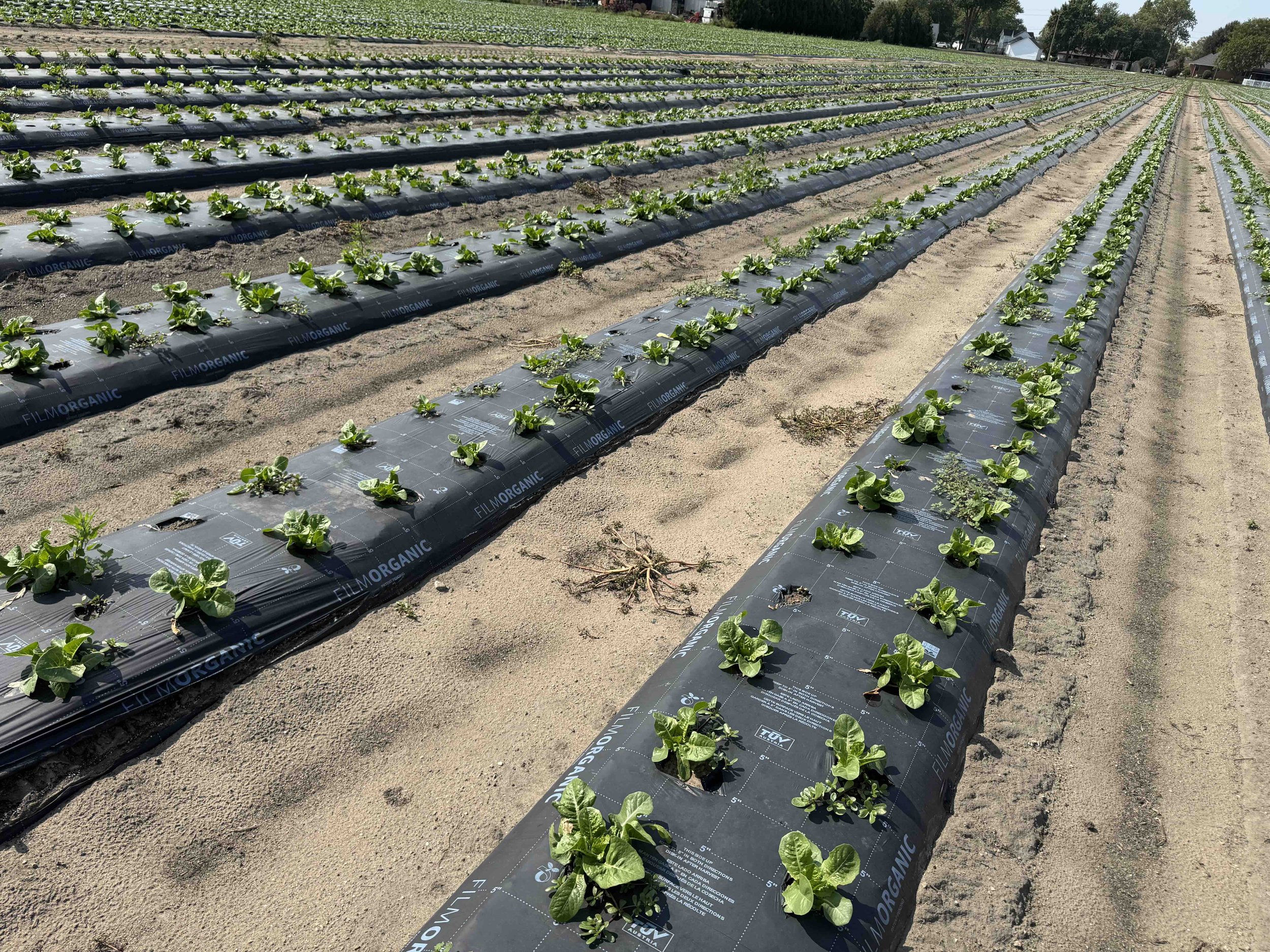
Why Mulch Performance Is Not About Thickness
Mulch durability in the field is not determined by thickness alone. Polymer matrix design, UV stabilization, hydrolysis control, and coating systems define real agricultural performance.
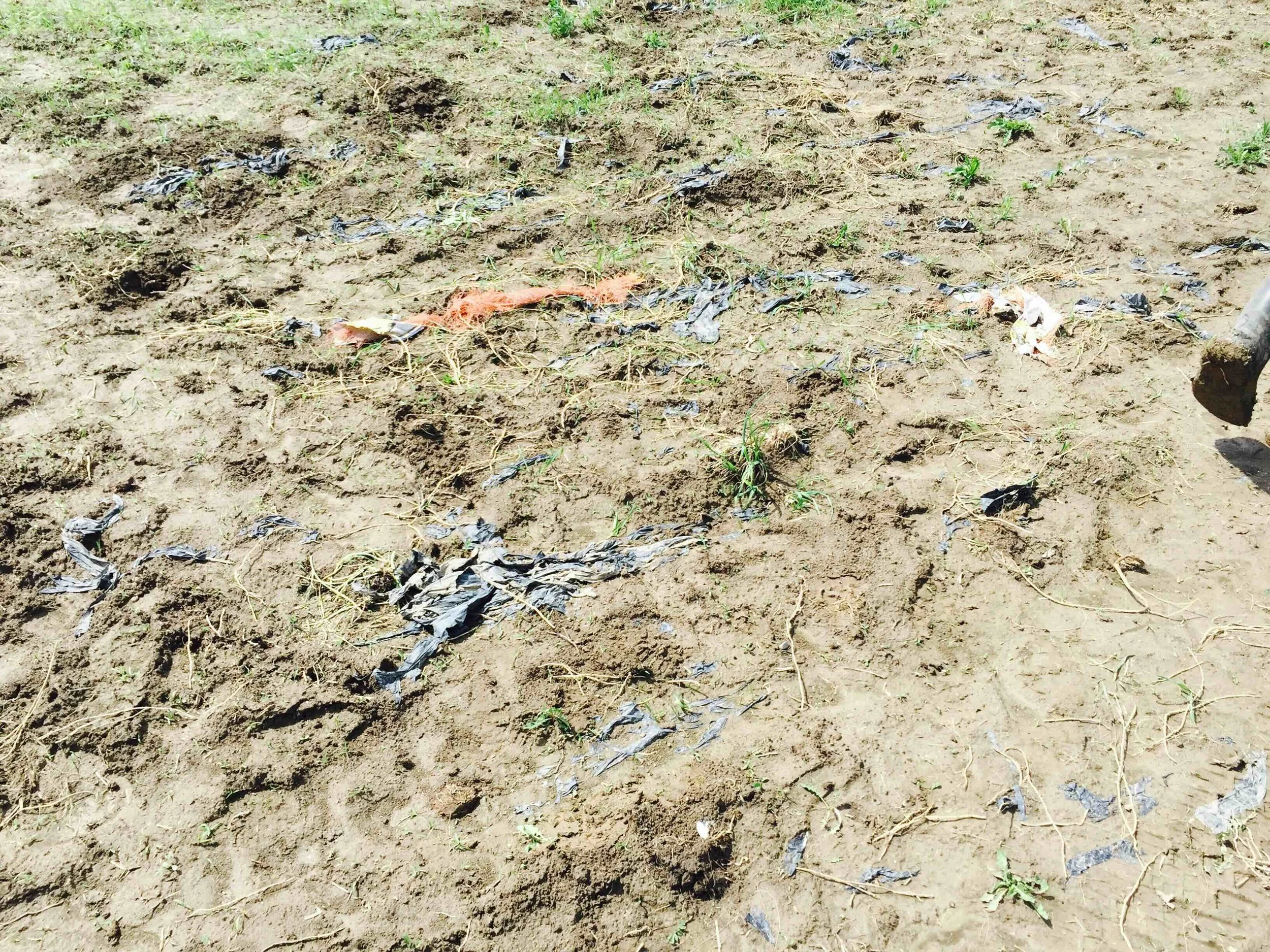
What Happens to Plastic Mulch After Harvest?
Most growers remove plastic mulch after harvest. But what really happens to the fragments left behind? The answer matters for soil health and long-term field performance.
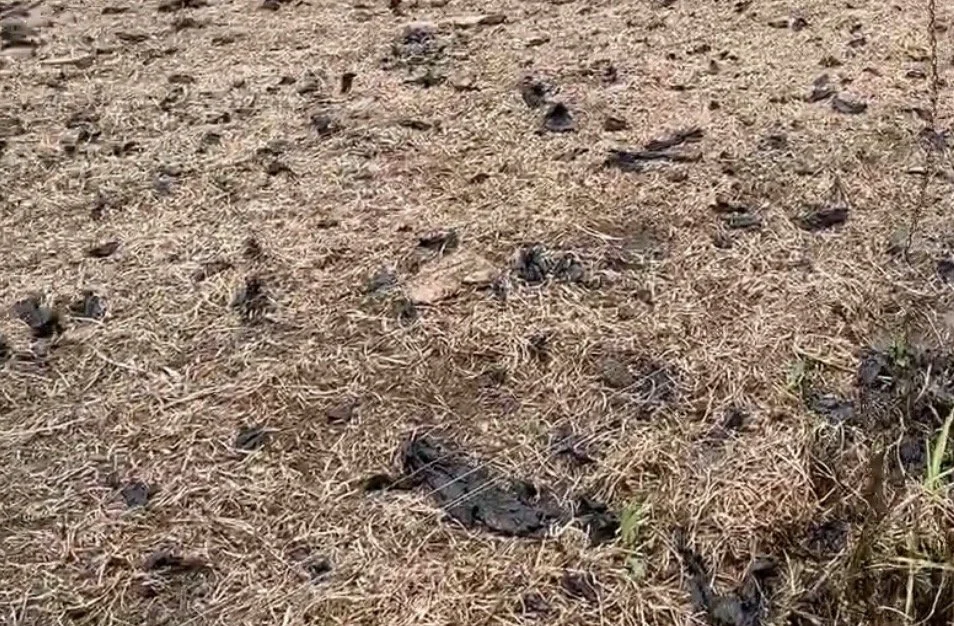
Fragmentation vs Biodegradation
Plastic mulch does not simply “disappear.” It either fragments into persistent microplastics or biodegrades into natural elements. The difference is fundamental.